Cost-Effective Lawn Care Tips for the Elderly
Maintaining a lush lawn can be daunting, especially for the elderly. Here are cost-effective tips to keep your yard beautiful and manageable.
Assess Your Lawn Needs
Before diving into lawn care activities, it’s crucial to assess your specific lawn needs. Identify issues such as weeds, bare spots, or poor drainage. Understanding these essentials will guide your efforts efficiently and help you prioritize what needs immediate attention.
Prioritize Safety and Accessibility
Safety should be a top concern for elderly individuals engaging in lawn care. Ensure that pathways are clear and free from any tripping hazards. Consider investing in ergonomic tools that reduce strain, such as lightweight, long-handled tools, to make the process easier and safer.
Utilize Mulching to Reduce Work and Costs
Mulching can be a game-changer for lawn care. It helps retain soil moisture, suppress weeds, and add nutrients to the soil—all while reducing the time and money spent on watering and fertilizing. Organic mulch, such as grass clippings and shredded leaves, can often be sourced at no extra cost.
How to Mulch:
- Mow the lawn and leave the grass clippings on the ground.
- Add a 2-3 inch layer of organic mulch around plants and garden beds.
- Avoid piling mulch against tree trunks to prevent disease.
Opt for Low-Maintenance Grass Varieties
For an easier lawn upkeep routine, consider replacing standard grass with low-maintenance varieties like fescue, buffalo grass, and zoysia. These grasses require less mowing, watering, and fertilization, making them ideal for elderly homeowners.
Efficient Watering Techniques
Watering can be physically demanding and expensive. Use the following strategies for a more efficient approach:
- Install a Rain Barrel: Collect rainwater for irrigation.
- Drip Irrigation: Use a drip system to deliver water directly to the roots.
- Water Early or Late: Water in the early morning or late evening to minimize evaporation.
Consider Perennial Groundcovers
Replace some sections of your lawn with perennial groundcovers like creeping thyme, clover, or moss. These options require less maintenance than traditional grass and add a lovely texture to your landscape. They are drought-tolerant and need minimal mowing, saving both time and resources.
Smart Fertilization Practices
Over-fertilizing not only costs more but can also harm your lawn and the environment. Instead:
- Conduct a soil test to understand nutrient needs.
- Apply a slow-release organic fertilizer during the growing season to ensure steady growth.
Embrace No-Mow Zones
Designate areas of your lawn as “no-mow zones” and let them grow naturally. These zones can serve as habitats for pollinators and wildlife, reducing your workload and promoting biodiversity.
Lawn Equipment: Go Lightweight and Electric
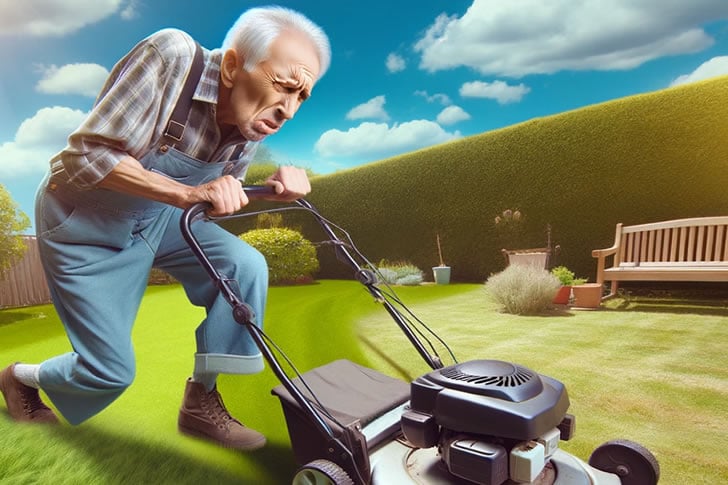
For ease and comfort, invest in lightweight and electric lawn care equipment. Electric mowers, trimmers, and blowers are quieter, more eco-friendly, and easier to handle than gas-powered alternatives. This reduces physical strain and operating costs over time.
Schedule Professional Help Wisely
Hiring professional help can sometimes be necessary. To keep costs down:
- Schedule services during off-peak seasons when rates may be lower.
- Opt for bi-monthly or seasonal care instead of weekly maintenance.
DIY Lawn Care Groups
Form or join a local DIY lawn care group with neighbors. Sharing tools, tips, and labor can significantly reduce individual costs and make lawn chores more social and manageable.
Conclusion
Maintaining a beautiful lawn doesn’t have to be overwhelming or expensive for the elderly. With these cost-effective lawn care strategies, you can enjoy a lush, green yard while conserving your energy and finances. Prioritize safety, leverage efficient tools, and smartly schedule tasks to make lawn care a rewarding experience.