Affordable Dental Implant Options
Discover accessible options for dental implants, including costs and clinics.
Understanding Dental Implants
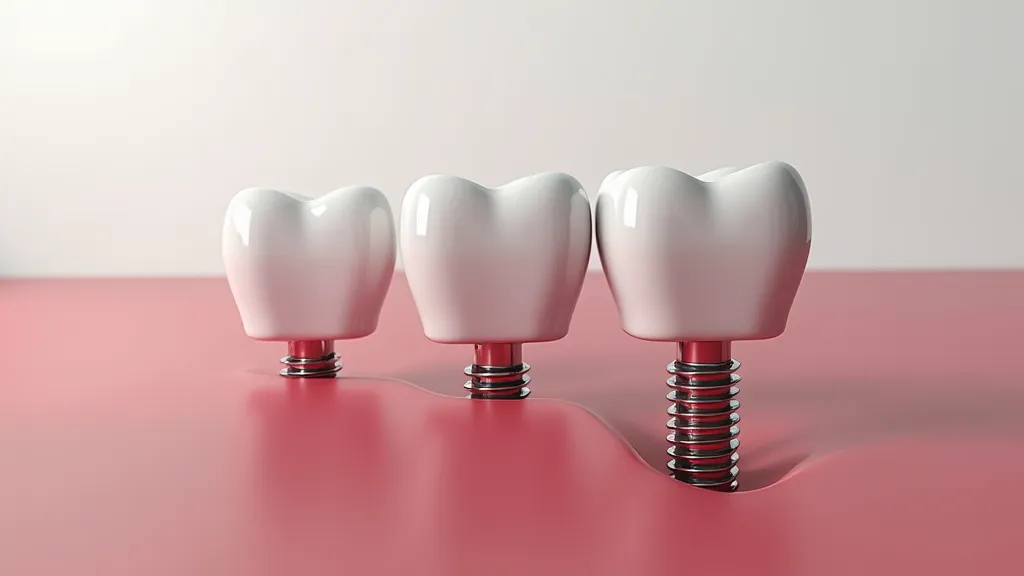
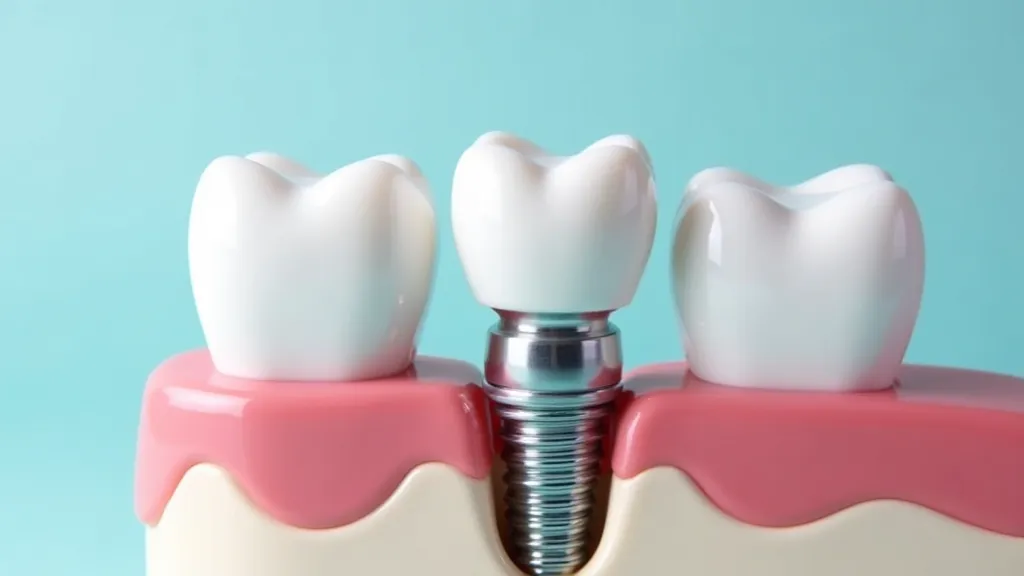
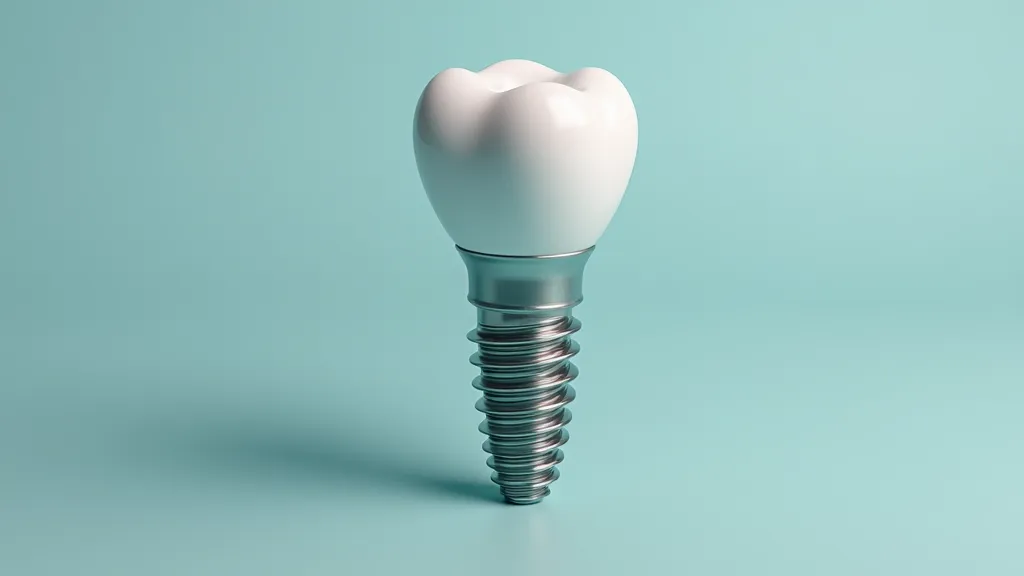
Dental implants are artificial tooth roots that provide a strong foundation for fixed or removable replacement teeth. They are designed to blend seamlessly with your natural teeth, offering a good solution for those with missing teeth. This guide will provide key insights into affordable dental implants, particularly for seniors and those seeking full mouth restoration. We will explore options for low-cost dental implants, how to find local services, and frequently asked questions regarding the procedure.
Why Consider Dental Implants?
Choosing dental implants over traditional dentures or bridges has numerous benefits:
- Durability: Implants are made from materials like titanium that can withstand daily use, making them an excellent long-term option.
- Functionality: They allow for normal eating and speaking without discomfort, restoring full bite function.
- Aesthetics: Implants look and feel like natural teeth, enhancing your smile and boosting your self-esteem.
- Bone Health: Implants can help stimulate jawbone growth, preventing deterioration and maintaining facial structure.
- Convenience: Unlike dentures, which can slip or require adhesives, implants remain securely anchored in place.
- Long-Term Cost-Effectiveness: While the initial investment is higher, the longevity of implants often makes them more cost-effective over time.
Types of Dental Implants
There are several types of dental implants available:
- Endosteal Implants: These are surgically placed directly into the jawbone. They are the most common type of dental implant and can hold one or more prosthetic teeth.
- Subperiosteal Implants: These are placed under the gum but above the jawbone, suitable for patients with minimal bone height. They are less commonly used today due to advancements in bone grafting techniques.
- Full Mouth Dental Implants: This option provides a complete set of teeth, often using fewer implants to support a full arch of teeth. This can include options like All-On-4 implants, which utilize four strategically placed implants to support a full denture.
- Zygomatic Implants: These are a type of implants that are anchored in the cheekbone (zygoma), used for patients with severe bone loss in the upper jaw.
Cost of Dental Implants
The cost of dental implants can vary widely based on location, the complexity of the procedure, and the type of implant used. Here's a breakdown of dental implant costs in various regions:
| Country | Price Range |
|---|---|
| United States (US) | $3,000 - $6,000 USD |
| United Kingdom (GB) | £2,000 - £2,500 GBP |
| Australia (AU) | AU$3,500 - AU$6,500 AUD |
| Canada (CA) | CA$3,000 - CA$5,500 CAD |
| Spain (ES) | €1,500 - €2,500 EUR |
| Brazil (BR) | R$3,000 - R$8,000 BRL |
Source:
- United States: Dental Views
- United Kingdom: Atlantic Dental Group
- Australia: DentaVacation
- Canada: ADHP
- Spain: Cigna Guide to Dental Implants
- Brazil: Rubi Odonto
Finding Affordable Dental Implants Nearby
When searching for dental implants near you, consider the following steps:
- Research Clinics: Look for local dental clinics that specialize in implants. Check their reviews and ratings online to ensure quality service. Websites like Yelp, Healthgrades, or Google Reviews can provide valuable feedback from previous patients.
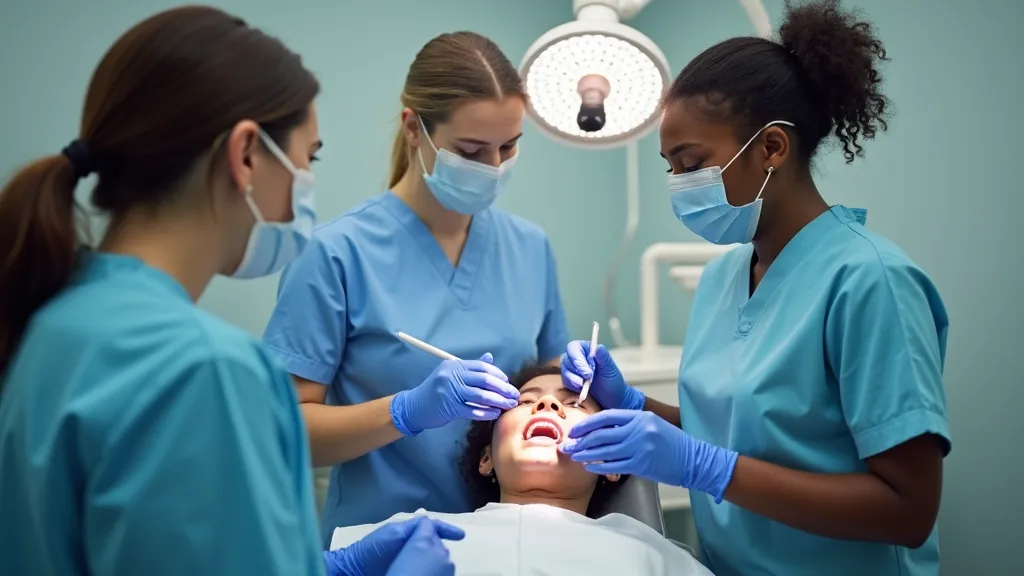
- Consultation: Schedule consultations to discuss your needs and get a cost estimate. Many clinics offer affordable consultations. During the consultation, inquire about their experience with implants and ask to see before-and-after photos of previous patients.
- Insurance Coverage: Check with your dental insurance provider to see if implants are covered or if they offer any discounts. Some plans may cover a portion of the cost, especially if implants are deemed medically necessary.
- Payment Plans: Inquire about financing options or payment plans that can make the procedure more manageable financially. Many dental offices partner with third-party financing companies to offer low-interest payment plans.
- Community Programs: Some dental schools and community health centers offer lower-cost dental implant services as part of their training programs. This can be a way to receive care at a reduced rate while helping students gain experience.
Dental Implants for Seniors
Seniors often face unique challenges regarding dental health. Dental implants can significantly improve their quality of life. Here are some considerations:
- Health Evaluation: Seniors should have a thorough health evaluation before undergoing any dental procedures. Conditions like diabetes, osteoporosis, and heart disease can affect healing and implant success rates.
- Bone Density: Sufficient bone density is crucial for successful implant placement. Bone grafting may be necessary for some patients, especially those who have experienced bone loss due to missing teeth. The grafting process can help build up the jawbone to provide a stable foundation for the implants.
- Aftercare: Proper aftercare and follow-up appointments are essential for ensuring the longevity of dental implants. Seniors should be aware of the signs of infection and the importance of maintaining good oral hygiene, including regular brushing, flossing, and dental check-ups.
- Support Systems: Seniors may require assistance during the recovery phase, so having a support system in place is vital. Family members or caregivers can help manage medications, attend follow-up appointments, and provide emotional support during the healing process.
Full Mouth Dental Implants
For those needing extensive dental work, full mouth dental implants may be an ideal solution. This involves placing implants in the jawbone to support a complete set of teeth. The benefits include:
- Improved Eating and Speaking Ability: Full mouth implants allow for a stable bite, enabling patients to enjoy a wider variety of foods and speak clearly without the worry of slippage.
- Enhanced Facial Appearance and Confidence: With a full set of teeth, patients often experience significant improvements in their facial structure and overall appearance, leading to a boost in confidence.
- Reduction in Bone Loss Over Time: By stimulating the jawbone, full mouth implants can help prevent the bone loss that typically occurs after losing natural teeth, thus maintaining facial integrity.
- Time Efficiency: Full mouth implants can often be completed in a shorter time frame than traditional methods, allowing for faster results and less time spent in the dental chair.
FAQs About Dental Implants
1. How long do dental implants last?
With proper care, dental implants can last a lifetime. Regular dental check-ups and good oral hygiene practices, such as brushing twice a day and flossing daily, are essential to maintaining the health of both the implants and surrounding gums.
2. Are dental implants painful?
Most patients report minimal discomfort during and after the procedure, which can be managed with pain medication. The surgical area is typically numbed during the procedure, and many patients find the recovery period less painful than expected.
3. How long does the procedure take?
The entire process can take several months, depending on healing time and the number of implants being placed. The typical timeline includes initial consultations, the surgical procedure, healing and osseointegration (the bonding of the implant to the jawbone), and the placement of the final restoration. Each stage is crucial for ensuring the long-term success of the implants.
4. Can anyone get dental implants?
While many people are candidates for dental implants, those with certain health conditions, such as uncontrolled diabetes or severe osteoporosis, may need additional evaluations. A thorough consultation with an implant dentist can determine eligibility and suggest any necessary pre-treatment options.
5. What are the risks associated with dental implants?
As with any surgical procedure, there are risks involved, including infection, nerve damage, and implant failure. A thorough consultation with a qualified dentist can help mitigate these risks by assessing individual health factors and providing detailed post-operative care instructions.
Conclusion
Dental implants offer a reliable solution for tooth replacement, especially for seniors and those needing extensive dental work. By researching affordable options and understanding the process, you can achieve a beautiful smile without breaking the bank. Always consult with professionals to determine the top course of action for your dental health. Remember, investing in your dental health is investing in your overall well-being and quality of life.
Post-Procedure Care and Maintenance
After the dental implant procedure, proper care is crucial for the success of the implants. Here are some important post-procedure care tips:
- Follow Instructions: Always follow the post-operative instructions provided by your dentist. This may include specific guidelines about diet, activity, and oral hygiene.
- Oral Hygiene: Maintain excellent oral hygiene practices. Brush your teeth gently and avoid the implant site for the first few days. Use an antimicrobial mouthwash as recommended by your dentist to help reduce the risk of infection.
- Diet Considerations: Stick to a soft food diet during the initial healing period. Avoid hard, crunchy, or sticky foods that could disrupt the healing process or damage the implants.
- Manage Pain and Swelling: Use prescribed medications to manage pain and swelling as needed. Applying ice packs to the outside of your face can help reduce swelling during the first 24 hours.
- Regular Follow-Ups: Attend all scheduled follow-up appointments to monitor the healing process and ensure the implants are integrating properly.
Long-Term Care for Dental Implants
Once the implants have fully healed and the final restorations have been placed, long-term care becomes essential to ensure their longevity:
- Regular Dental Visits: Schedule regular dental check-ups at least twice a year. This will help monitor the health of your implants and surrounding tissues.
- Good Oral Hygiene: Continue practicing good oral hygiene by brushing twice a day and flossing daily. Special flossing devices or interdental brushes may help clean around the implants effectively.
- Avoid Tobacco Products: Smoking and tobacco use can greatly affect the success of dental implants. If you smoke, consider quitting to improve your overall oral health.
- Dietary Choices: Maintain a balanced diet rich in vitamins and minerals to support oral and bone health. Foods high in calcium and vitamin D are particularly beneficial.
- Watch for Changes: Be vigilant for any signs of complications, such as persistent pain, swelling, or changes in the fit of the implants. Report any concerns to your dentist promptly.
Exploring Alternative Options
While dental implants are a popular choice for tooth replacement, several alternative options may be suitable depending on individual needs:
- Dental Bridges: A dental bridge can replace one or more missing teeth by anchoring to adjacent healthy teeth. This option is less invasive than implants and can be completed in a shorter timeframe.
- Partial Dentures: For those missing several teeth, partial dentures can be a removable solution. They can be customized to fit comfortably and securely in the mouth.
- Complete Dentures: For individuals who have lost all their natural teeth, complete dentures offer a full arch replacement. While they may not provide the same stability as implants, modern advancements have made them more comfortable and functional.
- Implant-Supported Dentures: These combine the benefits of dentures with the stability of implants. A few implants are placed in the jawbone to support a removable denture, providing enhanced retention and comfort.
Innovations in Dental Implant Technology
The field of dental implants has seen numerous advancements over the years, making procedures more efficient and successful:
- 3D Imaging and Planning: Advanced imaging technology, such as cone beam computed tomography (CBCT), allows for precise planning and placement of implants, leading to improved outcomes.
- Mini Dental Implants: These smaller implants can be placed with less invasive techniques and are often used for denture stabilization or in patients with limited bone density.
- Immediate Loading Implants: This technique allows for the placement of a temporary crown on the same day as the implant surgery, reducing the duration of wearing a temporary denture.
- Biomaterials and Coatings: Innovations in implant materials, such as bioactive coatings, enhance osseointegration and improve the success rates of implants.
Conclusion
Dental implants offer a reliable solution for tooth replacement, especially for seniors and those needing extensive dental work. By researching affordable options and understanding the process, you can achieve a beautiful smile without breaking the bank. Always consult with professionals to determine the top course of action for your dental health. Remember, investing in your dental health is investing in your overall well-being and quality of life. The journey to restoring your smile can lead to improved confidence, better oral function, and enhanced quality of life.
Disclaimer: The above information comes from online resources, and the data is as of October 2023. Dental implant prices are for reference only and may vary by region, clinic, and doctor.