
Affordable Electric Cars for Everyone
Discover the top small and affordable electric cars available today. This guide explores options tailored for seniors and highlights the advantages of electric vehicles. With insights on pricing and availability, find the perfect electric car that suits your needs and budget. Learn about the rising popularity of electric vehicles and how they contribute to a sustainable future while maintaining affordability and convenience.
Understanding Electric Vehicles
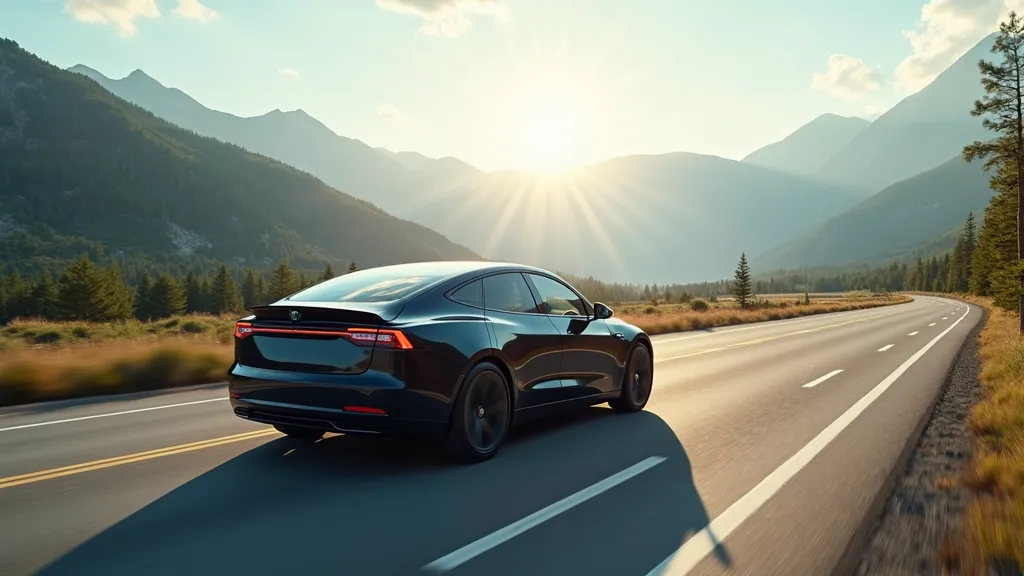
Electric vehicles (EVs) have surged in popularity due to their environmentally friendly nature and economic advantages. An electric car operates using electric motors powered by batteries, offering an alternative to traditional gasoline-powered vehicles. As more consumers seek sustainable transportation options, the market for electric vehicles continues to expand, featuring a variety of models to cater to diverse needs, including small electric cars and affordable options particularly appealing to seniors. With the ongoing advancements in battery technology and charging infrastructure, the landscape of electric vehicles is evolving rapidly, making them a more viable option for a broader audience.
The Benefits of Electric Cars
Choosing an electric car comes with numerous benefits. Firstly, EVs produce zero tailpipe emissions, significantly reducing air pollution and contributing to a cleaner environment. This is particularly vital in urban areas where air quality can be severely affected by conventional vehicles. Additionally, electric cars are often less expensive to operate than their gasoline counterparts, as electricity is typically cheaper than gasoline. Maintenance costs are also lower, given that electric vehicles have fewer moving parts and do not require regular oil changes. Furthermore, many local governments offer incentives for purchasing electric cars, making them even more affordable. These incentives can include tax credits, rebates, and grants aimed at reducing the initial purchase price, thereby encouraging more consumers to make the switch.
Moreover, electric vehicles can offer a quieter and smoother driving experience. The absence of an internal combustion engine means that EVs run much more quietly, which can lead to reduced noise pollution in city areas. Additionally, electric vehicles are known for their instant torque, providing rapid acceleration that enhances the overall driving experience. Many drivers find that EVs deliver a superior performance compared to traditional vehicles, making them a popular choice for those who enjoy driving.
Electric Vehicles Currently Available
As of now, the electric vehicle market has diversified, with various models suitable for all budgets and preferences. From luxury sedans to compact city cars, the variety is impressive. Here’s a brief overview of some of the popular electric vehicles currently available:
- Tesla Model 3: Known for its impressive range and performance, this compact sedan is a favorite among tech enthusiasts. It features cutting-edge technology, including an autopilot system and a minimalist interior design that is both functional and stylish.
- Nissan Leaf: One of the very affordable electric cars, it offers a practical option for everyday use. The Leaf has been one of the best-selling EVs globally, thanks to its reliability and user-friendly features.
- Chevrolet Bolt EV: A small electric car with an impressive range and spacious interior, perfect for families. The Bolt offers a great balance of affordability and practicality, making it a popular choice among budget-conscious buyers.
- Hyundai Kona Electric: Combines a compact size with a robust range and modern features, making it a versatile option for those seeking efficiency without sacrificing comfort or technology.
- Mini Electric (Mini Cooper SE): A stylish option for urban driving, offering nimble handling and a unique design that stands out on the road. The Mini Electric maintains the brand's reputation for fun driving dynamics while providing an eco-friendly alternative.
Cheap Electric Cars For Seniors
Finding an affordable electric vehicle can be particularly important for seniors looking to reduce transportation costs without compromising on quality. Here are some budget-friendly options that cater to this demographic:
- Nissan Leaf: With a starting price that makes it one of the low-priced electric cars on the market, it’s user-friendly and has a comfortable ride. The Leaf's spacious interior and easy accessibility make it a practical choice for older adults.
- Hyundai Ioniq Electric: This small electric car is efficient, offers ample cargo space, and comes with a comprehensive warranty, making it a reliable choice for seniors. Its advanced safety features and user-friendly technology are also appealing.
- Chevrolet Spark EV: Although discontinued, used models are available at lower prices, providing a cost-effective solution for budget-conscious buyers. The Spark EV is compact and easy to handle, making it suitable for urban driving.
Small Electric Cars: Perfect for Urban Living
For those living in urban areas where space is limited, small electric cars offer a practical solution. Their compact size makes them easier to park and maneuver through crowded streets. Here are a few noteworthy small electric cars:
- BMW i3: This innovative small electric car features a unique design and is well-suited for city driving. It offers a sustainable interior made from recycled materials and has a surprisingly spacious cabin.
- Honda e: A retro-styled small electric vehicle that prioritizes technology and comfort. The Honda e is equipped with advanced connectivity features and an intuitive driver interface, making it ideal for tech-savvy drivers.
- Fiat 500e: A stylish and compact option that is perfect for urban environments, providing a fun driving experience. The 500e captures the classic Fiat charm while offering electric efficiency.
Comparative Overview of Electric Cars
| Model | Starting Price | Range (Miles) | Top For |
|---|---|---|---|
| Nissan Leaf | $27,000 | 150 | Budget-conscious buyers |
| Hyundai Ioniq Electric | $33,000 | 170 | Comfort and technology seekers |
| Tesla Model 3 | $39,000 | 263 | Performance enthusiasts |
| Chevrolet Bolt EV | $31,000 | 259 | Families needing space |
| BMW i3 | $45,000 | 153 | Style-conscious urban drivers |
Steps to Choosing the Right Electric Vehicle
When considering the purchase of an electric vehicle, follow these steps to ensure you make the top choice:
- Assess Your Needs: Consider your daily driving habits, whether you need a compact size for urban driving, or if you prefer a family-friendly model. Think about the number of passengers you regularly transport and the types of trips you take.
- Set a Budget: Determine how much you are willing to spend, keeping in mind potential government incentives for EV purchases. Factor in not only the purchase price but also the cost of insurance, maintenance, and charging.
- Research Options: Investigate various models and their features, comparing aspects such as range, charging times, and technology. Look for reviews and consumer reports to gain insights into real-world performance.
- Test Drive: Visit dealerships to test drive your shortlisted models to get a feel for their handling and comfort. Pay attention to visibility, ease of entry and exit, and how the vehicle suits your driving style.
- Consider Charging Infrastructure: Ensure you have access to charging stations, either at home or nearby, to make ownership convenient. Check if your home is suitable for installing a Level 2 charging station, which can significantly reduce charging times.
Frequently Asked Questions (FAQs)
What are the maintenance costs of electric vehicles?
Electric vehicles generally have lower maintenance costs compared to gasoline vehicles due to fewer moving parts. Battery replacements can be a significant expense, but many manufacturers offer warranties that cover the battery for several years. Regular maintenance typically involves checking brakes, tires, and the electrical system, which are less frequent compared to conventional vehicles.
How long does it take to charge an electric car?
Charging times vary depending on the charger type. Level 1 chargers (standard outlets) can take 8-20 hours, while Level 2 chargers (home charging stations) usually take 4-8 hours. Fast chargers can recharge a vehicle to 80% in about 30 minutes. It's essential to consider your daily driving habits and charging options to determine the best charging solution for your lifestyle.
Are electric cars really environmentally friendly?
Yes, electric vehicles produce zero emissions during operation, contributing to a reduction in air pollution. However, the environmental impact also depends on how the electricity is generated. Using renewable energy sources further enhances their eco-friendliness. It's also worth noting that the manufacturing process of electric cars, especially battery production, has its environmental challenges, but efforts are being made to improve sustainability in this area.
What incentives are available for electric vehicle buyers?
Incentives vary by location but may include tax credits, rebates, reduced registration fees, and access to carpool lanes. Some states and local governments offer additional perks such as free parking for electric vehicles or discounts on tolls. Checking with local government websites can provide updated information on available incentives, which can significantly reduce the overall cost of ownership.
Can electric vehicles perform well in cold weather?
While electric vehicles can experience reduced range in cold weather due to battery efficiency decreasing in lower temperatures, advancements in battery technology have improved performance. Many manufacturers now offer features to mitigate cold weather impacts, such as heated batteries and cabin pre-conditioning. Additionally, electric vehicles often come with regenerative braking systems that help maintain battery charge during winter driving conditions.
Conclusion
Electric vehicles represent a significant shift towards sustainable transportation, offering various models that cater to every budget and need. From small electric cars that are perfect for urban living to affordable options ideal for seniors, the market is ripe with choices. As electric vehicle technology continues to evolve, consumers can expect even greater advancements in performance, affordability, and environmental impact. By understanding the benefits and exploring the options available, you can find an electric car that meets your lifestyle and budget while contributing to a cleaner future.
The Future of Electric Vehicles
The future of electric vehicles looks promising as advancements in technology continue to reshape the automotive landscape. As battery technology improves, we can expect electric vehicles to offer greater ranges, faster charging times, and lower costs. Innovations such as solid-state batteries, which promise increased energy density and safety, are on the horizon and could revolutionize the way we think about electric mobility.
Moreover, the expansion of charging infrastructure is crucial for the widespread adoption of electric vehicles. Governments and private companies are investing heavily in the development of charging networks, including fast chargers that can be found at various public locations. This means that long-distance travel will become more feasible, alleviating concerns about range anxiety for potential buyers.
Automakers are also recognizing the demand for electric vehicles and are committing to electrifying their fleets. Many legacy manufacturers have announced plans to phase out internal combustion engines entirely within the next couple of decades, which indicates a significant shift in consumer preferences and regulatory pressures. This transition will likely result in an even broader range of electric vehicles to choose from, catering to different preferences and needs.
Exploring Alternative Charging Options
Besides traditional home and public charging stations, various alternative charging options are emerging. Wireless charging technology, for instance, is being developed to allow drivers to charge their vehicles without plugging in. This technology works by using electromagnetic fields to transfer energy between a charging pad embedded in the road and a receiver on the vehicle. Such advancements could make charging more convenient and encourage more people to consider electric vehicles.
Additionally, solar-powered charging solutions are gaining traction. Homeowners can install solar panels to generate their own electricity, which can be used to charge their electric vehicles. This not only reduces the carbon footprint of driving but can also provide significant savings on electricity costs over time.
Electric Vehicle Adoption Challenges
Despite the many benefits and advancements in electric vehicles, challenges remain in achieving widespread adoption. One of the primary concerns is the initial purchase price, which can still be higher than that of comparable gasoline vehicles. While prices have been decreasing, the upfront cost can deter potential buyers.
Another challenge is the perception of electric vehicles. Some consumers may doubt the reliability or performance of EVs compared to traditional vehicles, particularly in regions with extreme weather or long-distance travel needs. Education and awareness campaigns are essential to address these misconceptions and highlight the benefits of electric vehicles.
In addition, the recycling and disposal of batteries is an ongoing concern. As the number of electric vehicles on the road increases, the need for sustainable battery disposal and recycling methods becomes crucial. Manufacturers are beginning to invest in battery recycling technologies and programs to mitigate environmental impacts, but further research and regulatory frameworks will be necessary to ensure responsible practices.
The Role of Policy in Electric Vehicle Growth
Government policies play a vital role in promoting electric vehicle adoption. Incentives such as tax credits, rebates, and grants can make electric vehicles more accessible to consumers. Additionally, regulations aimed at reducing greenhouse gas emissions push automakers to develop new electric models to comply with environmental standards.
Countries around the world are implementing various strategies to boost electric vehicle adoption. For example, some countries have set ambitious targets for phasing out gasoline and diesel vehicles by specific deadlines, further encouraging the shift towards electric mobility. These policies not only aim to reduce emissions but also to foster the development of cleaner technologies and industries.
Conclusion: Embracing the Electric Revolution
As we stand at the crossroads of an automotive revolution, embracing electric vehicles is not just about personal choice; it represents a collective commitment to a more sustainable future. The transition to electric mobility is paving the way for cleaner air, reduced reliance on fossil fuels, and a more resilient energy ecosystem. By understanding the benefits, options, and challenges associated with electric vehicles, consumers can make informed decisions that align with their values and needs while contributing to a healthier planet.
With ongoing advancements in technology, policies supporting electric vehicle growth, and a growing awareness of environmental issues, the future of transportation is undoubtedly electric. Engaging with this shift not only empowers individuals to make choices that suit their lifestyles but also plays a crucial role in shaping a more sustainable and responsible world for generations to come.