A Comprehensive Guide to Walk-In Tubs, Medicare, and Seniors
Navigating the world of walk-in tubs and Medicare can be challenging for seniors. This guide offers advice and tips to make informed decisions.
Understanding Walk-In Tubs
What are Walk-In Tubs?
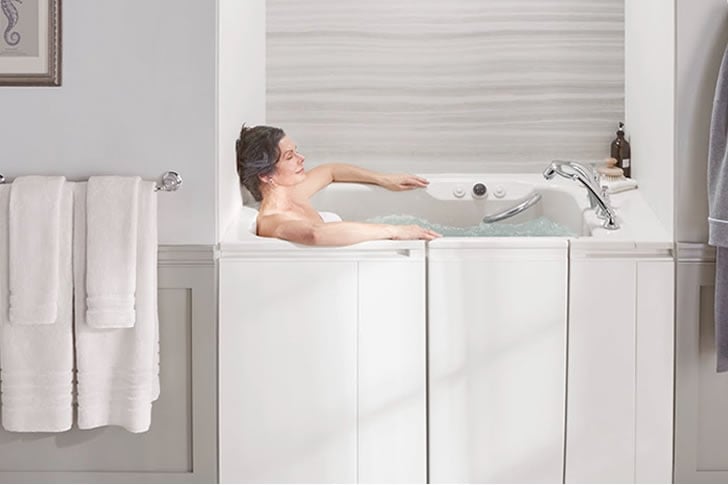
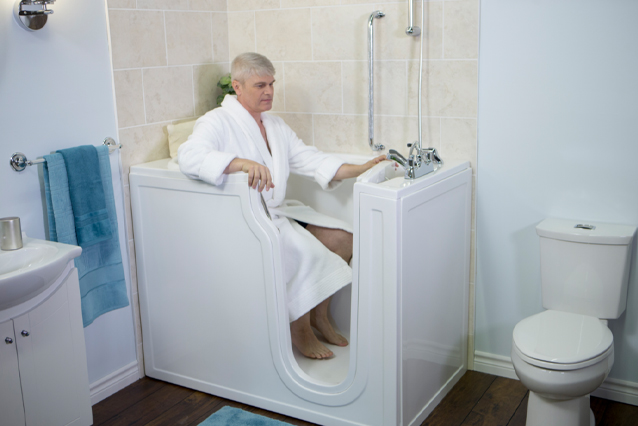
Walk-in tubs are specially designed bathtubs that feature a door for easy entry, significantly reducing the risk of slipping and falling. These tubs often include built-in seating, handrails, and non-slip flooring, making them ideal for individuals with mobility challenges.
Benefits of Walk-In Tubs for Seniors
Walk-in tubs provide several advantages tailored to the needs of seniors:
- Safety: The low entry threshold and non-slip surfaces minimize the risk of falls, while handrails offer additional support.
- Comfort: Built-in seating allows users to sit comfortably while bathing, reducing strain on joints and muscles.
- Therapeutic Features: Many walk-in tubs come equipped with hydrotherapy jets, providing soothing relief for sore muscles and joints, which can be particularly beneficial for seniors with arthritis or other chronic pain conditions.
How Medicare Relates to Walk-In Tubs
Does Medicare Cover the Cost?
A common concern for seniors is whether Medicare will cover the cost of a walk-in tub. Generally, the answer is no. Original Medicare (Parts A and B) does not cover walk-in tubs, as they are classified as “convenience” items rather than medical necessities.
Exceptions and Workarounds
There are some exceptions and strategies seniors can explore:
- Medicare Advantage Plans (Part C): Some Medicare Advantage plans may offer additional benefits that could include coverage for walk-in tubs. It’s essential to check with specific plans for details.
- Doctor’s Prescription: In certain cases, if a doctor prescribes a walk-in tub as a medical necessity, it may be possible to get partial coverage.
- Medicaid: Depending on the state, Medicaid may provide assistance for home modifications, including walk-in tubs, if deemed necessary for health and safety.
Financial Tips for Seniors
Budgeting and Planning
Walk-in tubs can be a significant investment, typically ranging from $2,000 to $10,000 or more, depending on features and installation. It’s crucial to budget accordingly:
- Know Your Financial Limits: Assess your budget before making a purchase to avoid overspending.
- Obtain Quotes: Get quotes from multiple suppliers to ensure you are getting the best deal.
Financial Assistance Options
Several options can help seniors afford a walk-in tub:
- Home Equity Loans: Seniors can consider tapping into their home equity to finance the purchase.
- Health Savings Accounts (HSAs): If eligible, HSAs can be used to cover some of the costs associated with walk-in tubs.
- Senior Grants and Non-Profits: Various organizations offer grants or financial assistance for home modifications aimed at improving safety for seniors.
Choosing the Right Walk-In Tub
Features to Consider
When selecting a walk-in tub, consider the following features:
- Size and Space: Ensure the tub fits comfortably in your bathroom and meets your space requirements.
- Safety Features: Look for non-slip flooring, grab bars, and easy-to-use controls.
- Therapeutic Options: Consider models with hydrotherapy jets or other therapeutic features that may enhance your bathing experience.
- Ease of Maintenance: Choose a tub that is easy to clean and maintain to ensure longevity.
Installation Considerations
Installation is a critical aspect to consider. Ensure that the company you purchase from offers installation services or can recommend a trusted installer.
Aftercare and Maintenance
Regular Cleaning
To keep your walk-in tub effective and safe, regular cleaning is essential. Use non-abrasive cleaners to prevent damage to the tub’s surfaces and fixtures.
Routine Checks
Regularly inspect the door seals, handrails, and other safety features to ensure they are in good working condition. This maintenance will help prolong the life of your walk-in tub and ensure continued safety.
Final Thoughts
Walk-in tubs provide numerous benefits for seniors, enhancing both safety and comfort. While Medicare coverage is generally limited, various financial assistance options can help alleviate the costs. Always consult with healthcare providers and conduct thorough research to make the best decision for your needs.
Investing in a walk-in tub is an investment in your safety and well-being. Take the time to explore all your options and choose the best path forward.