Walk-In Tubs, Medicare, and Safety: A Comprehensive Guide
Walk-in tubs are a crucial addition to any home aiming to enhance elder safety and comfort. Understanding how they work, their safety benefits, and Medicare coverage can be life-changing.

What Are Walk-In Tubs?
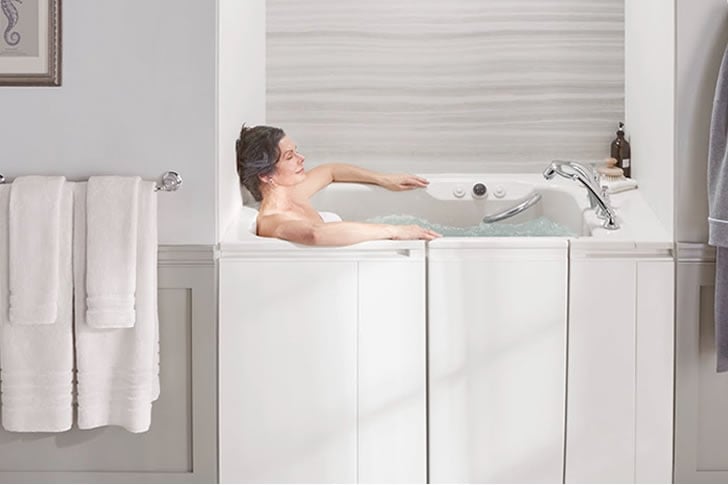
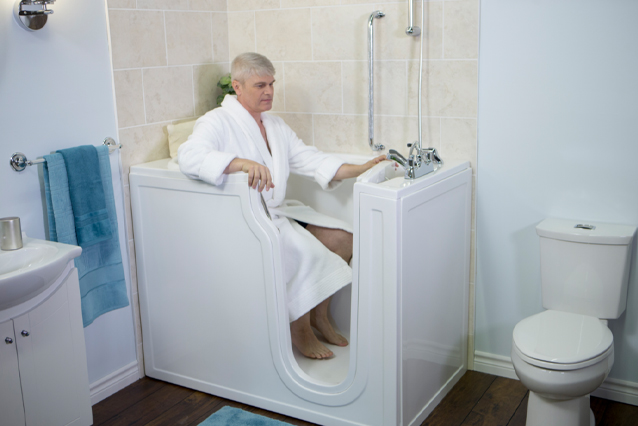
Walk-in tubs are specifically designed bathtubs that allow individuals to step into the tub rather than climbing over the side. These tubs come with a sealable door and are commonly equipped with features such as built-in seating, grab bars, and non-slip floors to ensure safety and comfort. They are ideal for individuals with mobility challenges, including the elderly and those with physical disabilities.
The Safety Benefits of Walk-In Tubs
Reduced Risk of Falls
Falls are a significant concern for seniors, especially in the bathroom. Walk-in tubs drastically reduce this risk through their low step-in threshold and anti-slip surfaces. These design elements ensure that users can safely enter and exit the tub with minimal strain and risk of slipping.
Built-In Safety Features
Very walk-in tubs come equipped with built-in safety features such as grab bars, anti-scald valves to control water temperature, and quick-drain systems to prevent long waits in the tub. These features aim to provide a secure and comfortable bathing experience.
Hydrotherapy Benefits
Walk-in tubs often have hydrotherapy jets that can help alleviate conditions like arthritis, osteoporosis, and poor circulation. These therapeutic benefits can improve overall well-being and treat various chronic conditions, making the investment in a walk-in tub even more worthwhile.
Does Medicare Cover Walk-In Tubs?
Understanding Medicare’s Stance
Medicare is a federal health insurance program mainly for people aged 65 and older. Unfortunately, Original Medicare (Part A and Part B) typically does not cover the cost of walk-in tubs as they are considered "comfort items" rather than medical necessities.
Exceptions to the Rule
There are scenarios under which Medicare might cover a portion of the walk-in tub's cost if it is deemed medically necessary. In such cases, you would need:- A prescription from a healthcare provider.- Proper documentation stating that the tub is essential for your condition.
Even with a prescription, Medicare may cover only the cost associated with standard tubs, and not the enhanced safety features or installation costs associated with walk-in tubs.
Alternative Coverage Options
Medicare Advantage Plans
Medicare Advantage (Part C) plans often provide additional benefits not covered by Original Medicare. Depending on the specific plan, some Medicare Advantage plans may cover a portion of the costs for walk-in tubs or provide other healthcare services that can relieve financial burdens.
Medicaid and Other Assistance Programs
Medicaid offers different levels of coverage depending on your state. Some state-specific programs may offer assistance or partial coverage for walk-in tubs. Additionally, various non-profit organizations, veterans’ programs, and state agencies may provide grants or financial assistance to help cover the cost.
Financial Considerations
Walk-in tubs can be expensive, with costs ranging from $2,000 to $10,000, including installation. To ease the financial burden, consider the following tips:
Comparing Options
Shop around and compare different manufacturers and models to find one that fits your budget. Some companies may offer financing options.
Insurance Claims
Carefully document all transactions and communications with insurance providers. If Medicare or Medicaid provides partial coverage, keep all necessary documentation and follow up regularly to ensure claims are processed appropriately.
Tax Deductions
Medical expenses that exceed a certain percentage of your adjusted gross income might be tax-deductible. Consult with a tax advisor to see if your walk-in tub qualifies as a deductible medical expense.
Tips for Choosing the Right Walk-In Tub
Evaluate Your Needs
Assess your specific requirements regarding safety and therapeutic features. Determine what aspects are very critical for you, such as grab bars, seat height, or hydrotherapy jets.
Research Reliable Brands
Read customer reviews and expert ratings to identify reputable brands known for quality and customer service. Look for manufacturers that offer warranties and customer support.
Professional Installation
Ensure the tub is installed by a professional to guarantee that it meets all safety standards. Incorrect installation can compromise the tub’s effectiveness and safety features.
Trial Period and Return Policy
Choose a company that offers a trial period or a flexible return policy. This allows you to test the product's suitability in your home environment.
Conclusion
Walk-in tubs are a valuable investment for those seeking to enhance safety and comfort in the bathroom. While Medicare coverage can be limited, there are other financial avenues and assistance programs available. Evaluate your specific needs, compare options, and consult with healthcare providers to make the top decision for your situation.
Investing in a walk-in tub can significantly improve the quality of life for seniors and individuals with mobility issues, turning bath time from a risky activity into a safe and enjoyable experience.